
 The Godfather1972 · Francis Ford Coppola
The decades
1960s–70s
See the shelf →

1980s
See the shelf →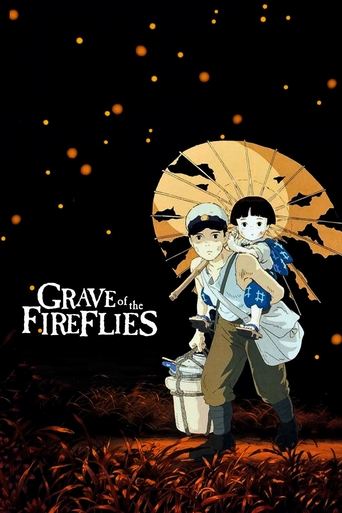

1990s
See the shelf →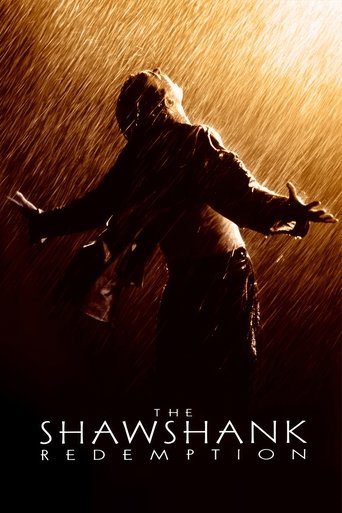


2000s
See the shelf →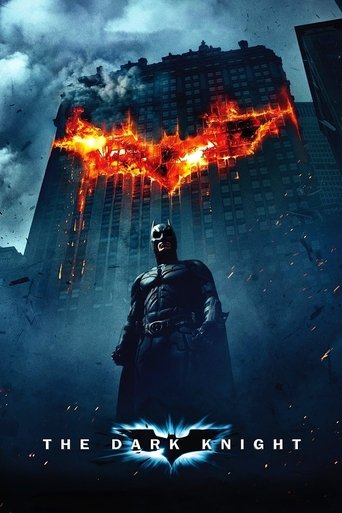 The Dark Knight2008 · Christopher Nolan
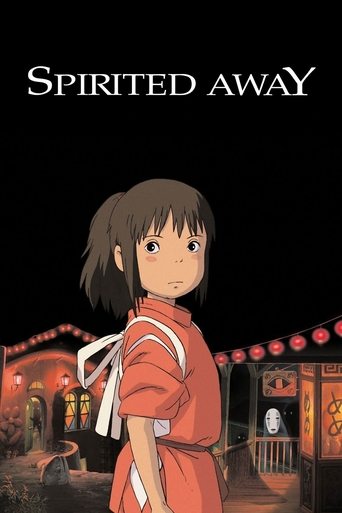 Spirited Away2001 · Hayao Miyazaki
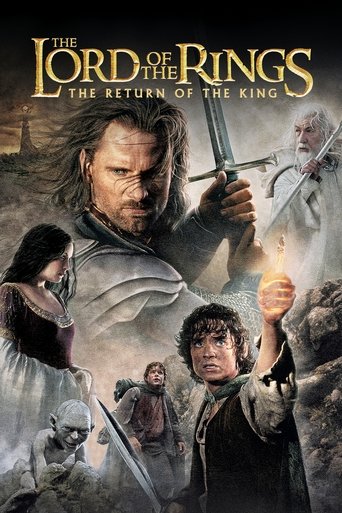 The Lord of the Rings: The Return of the King2003 · Peter Jackson
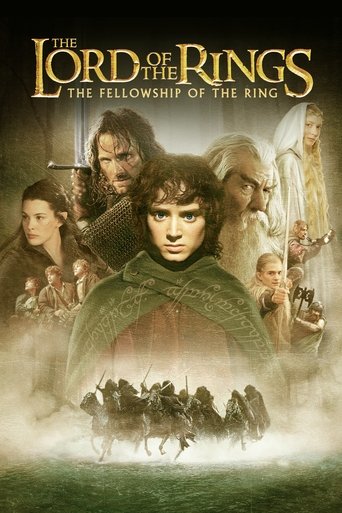 The Lord of the Rings: The Fellowship of the Ring2001 · Peter Jackson
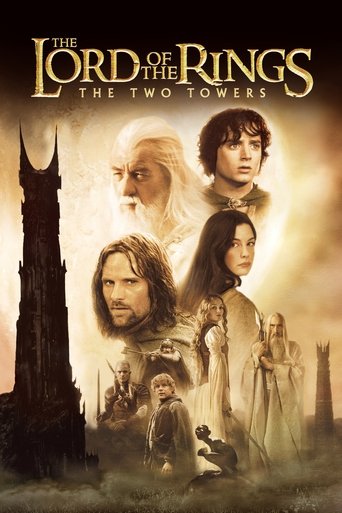 The Lord of the Rings: The Two Towers2002 · Peter Jackson
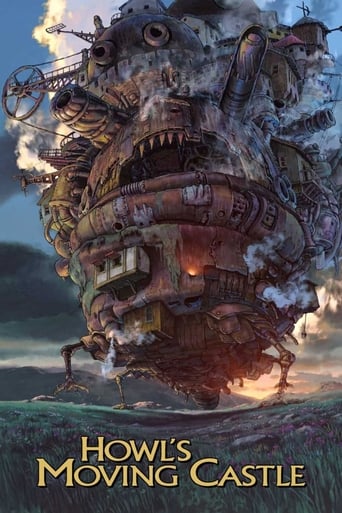 Howl's Moving Castle2004 · Hayao Miyazaki
2010s
See the shelf →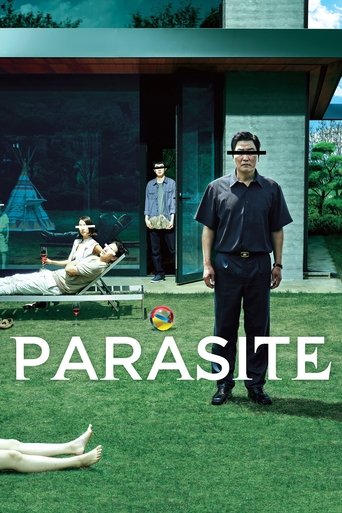
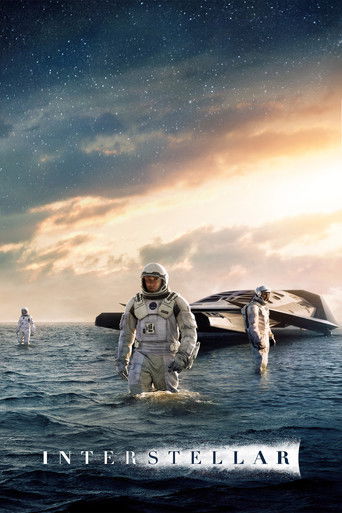
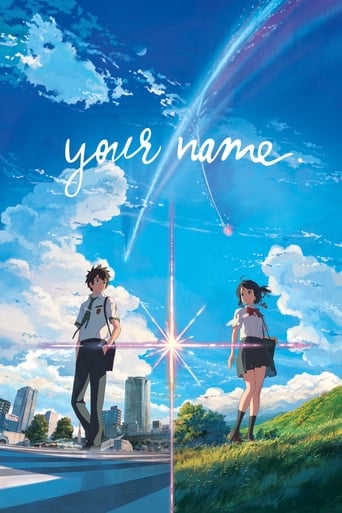



World cinema












The Top 100
- 1Avatar Aang: The Last Airbender2026
- 2Swapped2026
- 3Demon Slayer: Kimetsu no Yaiba Infinity Castle2025
- 4The Shawshank Redemption1994
- 5The Godfather1972
- 6Project Hail Mary2026
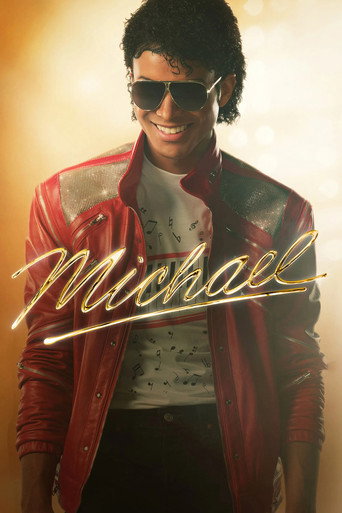
- 7Michael2026
- 8The Godfather Part II1974
- 9Schindler's List1993
- 10The Dark Knight2008
- 11Spirited Away2001
- 12The Lord of the Rings: The Return of the King2003
- 13The Green Mile1999
- 14The Good, the Bad and the Ugly1966
- 15Seven Samurai1954
- 16Parasite2019
- 17Interstellar2014
- 18Your Name.2016
- 19Pulp Fiction1994
- 20Forrest Gump1994
Browse by collection
App, domains and help
- How to watch a film from the HDVix archiveFrom the archive to your screen: how HDVix opens each film in HD where you live.
- Finding a film in the archiveSearch, decades, countries, genres and the A-Z list.
- The decadesHow HDVix organises the archive by decade, and where to start in each.
- World cinema at HDVixThe seven national cinemas in the archive.
- Classics and restorations in HDWhy old films look better than ever on today's services.
- Picture quality: HD and 4KWhat HD means for the films in the archive.
- Subtitles for world cinemaWatching foreign-language films with subtitles.
- The official HDVixThe address of this HDVix and how to recognise it.
- Site status and quick fixesWhat to try when HDVix loads slowly.
- Where to watch classics and world cinemaThe services that carry the archive's films.
- HDVix on phones and TVsUsing the archive on a phone or TV.
- Free and legal classicsLegal ways to watch classic and world cinema free.
- Safe and legal viewingHow HDVix keeps browsing safe.
- My ListBuild your own programme.
- New to the archiveHow new films join HDVix.
HDVix: a film archive in HD, from Rashomon to Parasite
HDVix is built like the printed programme of a film festival. The page is cream, the headings are set in a classic serif, a thin double rule runs under the masthead, and the menu is spelled out in small capitals. Each week the home page opens with one featured film, shown with a wide still, its director, year, country and running time, and a short list of five more titles to watch alongside it. Below that, the archive is arranged the way film lovers think about cinema: by decade, by country and by the films that have stood the test of time.
This guide explains how to use the archive and what you will find in it. The first part covers the layout: the masthead, the weekly programme, the decades index, the world cinema tiles, the Top 100 and the film pages with their Watch now button. The second part is a tour of the collection, decade by decade and country by country, from the great directors of the 1950s and 1960s to the films of the last few years. The last part covers the practical side: restorations and picture quality, subtitles, phones and televisions, My List, free and paid services, and staying safe.
The masthead
At the top of every page sits the HDVix masthead. On the left, a small black square with film sprocket holes at its corners frames a red play triangle, and beside it the name appears in a large serif, with Vix set in red italics. Next to the mark, a line in italic serif reads The film archive in HD.
On the right, a slim search line with a red magnifier waits for a title, a director or an actor. Under the masthead, a double black rule separates it from the menu, which spells out Home, Films, Decades, World cinema, Top 100, Genres and My List in spaced capitals. The item for the page you are on is underlined in red.
On a phone, the menu folds into a black Menu button, the tagline steps aside, and the search line moves onto its own row so it is easy to use with a thumb.
This week's programme
The home page opens with the weekly programme. A small red label reads This week's programme, followed by the HDVix headline in large serif type and a short paragraph that explains the archive.
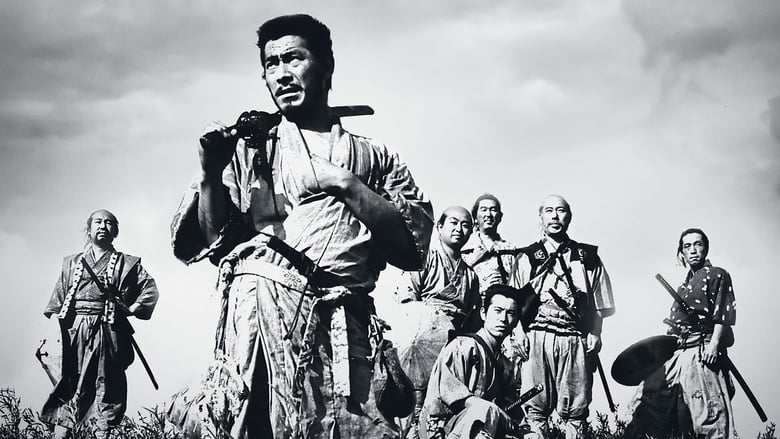
Under the introduction, three columns present the featured film. On the left, a wide still from the film sits in a thin black frame. In the middle, the title appears in serif type, followed by a line of small capitals with the director, the year, the country and the running time, a few lines of story, a red Watch now button and a link to the full film page.
On the right, a numbered list headed Also this week suggests five more films, each with its title in serif and its year and director underneath. At the moment the programme opens with Seven Samurai, followed by The Godfather, Parasite, In the Mood for Love, Cinema Paradiso and The Lives of Others.
The decades index
Below the programme, the archive is arranged by decade. A row of boxed links at the top of the section jumps straight to the 1960s and 1970s, the 1980s, the 1990s, the 2000s, the 2010s or the 2020s.
Each decade then has its own heading in serif type, a See the shelf link in red, and a row of six films with the highest audience scores from those years. Together they form a quick history of cinema over sixty years, one row at a time.
The shelves behind each decade hold every film from those years, most popular first. The decades guide suggests where to start in each one.
Posters in black frames
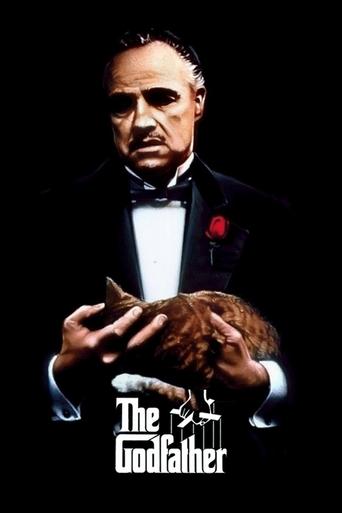
Every film in the archive appears as a poster in a thin black frame with a soft offset shadow in warm grey, like a print pinned to a board. Under the poster, the title appears in serif type, and a line of small capitals gives the year and the director.
Point at a poster and it shifts slightly up and to the left while its shadow turns red, a small sign that it is ready to open. The same card is used everywhere in the archive: on the decade shelves, on the country pages, in search results and on My List.
Six posters fit across a wide screen, four on a tablet and two on a phone, so every page stays easy to read.
World cinema tiles
The world cinema section presents seven national cinemas as tiles: France, Italy, Spain and Latin America, Germany, Japan, Korea and Hong Kong. Each tile shows three small posters from its highest-rated films, the name of the country in serif type, and the number of films on its shelf.
A click opens the country's shelf, where every film from that cinema appears in the archive's black frames, most popular first.
The world cinema guide suggests a way into each national cinema, and the section of this guide on world cinema, further down, goes into more detail.
The Top 100
The Top 100 section shows the first twenty entries of the archive's ranking in two columns, each with a large red serif numeral, the title and the year. The ranking follows the TMDB audience score, counting only films with at least five hundred votes, so old and new films compete on the same terms.
The Shawshank Redemption, The Godfather and Spirited Away usually sit near the top, alongside modern favourites such as Parasite and Interstellar.
A link below the columns opens the full list of one hundred films on the Top 100 page.
The film page
Every film in the archive has its own page. The poster sits in its black frame beside the title in serif type, the original title, the year, the runtime and the genres, followed by the story and two buttons: a red Watch now and a framed Add to My List.
A panel of facts lists the original title, release date, original language, country, runtime, studio and the TMDB audience score with its number of votes. The cast and director follow, and a shelf of similar films closes the page.
For world cinema, the original title and original language are especially useful: they tell you, for example, that Rashomon was made in Japanese or that Bicycle Thieves was made in Italian, before you press play.
Watch now
The red Watch now button is how the archive meets your screen. It leads to a panel where you choose your viewing country, and then opens the film on JustWatch, the directory that tracks which services carry each film in each country.
JustWatch lists subscriptions such as Netflix, Prime Video, Max, MUBI or the Criterion Channel where they operate, rental and purchase stores such as Google TV and Apple TV, and free services such as Kanopy or Tubi where they are available. One more click opens the film in that service.
The listings are updated daily, so Watch now always shows where a film can be seen today. The How to watch guide walks through each step.
Your viewing country
The films available to you depend on where you are, so HDVix asks for your viewing country once. The United States comes first, followed by India, the United Kingdom, Canada, Australia, Ireland, New Zealand, France, Germany, Italy, Spain, Japan, South Korea and others.
The choice is saved in your browser and used on every film page after that.
The country in the facts panel is different: it tells you where the film was made, which is how The 400 Blows finds its way onto the France shelf and Memories of Murder onto the Korea shelf.
Searching the archive
The search line in the masthead reads titles, original titles, directors and cast. For a film archive, directors are often the best way in: type Kurosawa to see Rashomon, Seven Samurai, Yojimbo and Ran together, or Fellini for La Dolce Vita, 8½, La Strada and Amarcord.
Original titles work too, so a French or Italian title leads to the same film page as its English one.
The search page adds filters for genre, year, language, rating and order. The Finding a film guide has more examples.
Before 1960: where it all began
The oldest films in the archive come from the beginnings of cinema. A Trip to the Moon, made in 1902, is a short fantasy whose image of a rocket landing in the eye of the moon is one of the most famous pictures in film history. Two decades later, German silent cinema produced The Cabinet of Dr. Caligari, Nosferatu and Metropolis, three films whose shadows and sets still influence horror and science fiction today.
Sound arrived with films such as Fritz Lang's M, a gripping story of a city hunting a murderer. After the Second World War, Italian neorealism took cameras into the streets with Bicycle Thieves, and Japanese cinema reached the world with Akira Kurosawa's Rashomon and Seven Samurai.
These are the foundations on which much of the rest of the archive stands, and many of them are available in careful restorations. The restorations guide explains why they look so good today.
The 1960s and 1970s
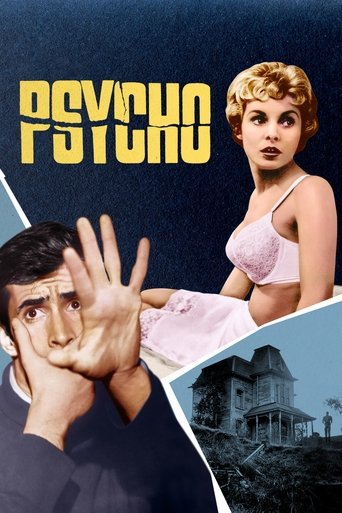
The 1960s opened with Alfred Hitchcock's Psycho and went on to Stanley Kubrick's Dr. Strangelove or: How I Learned to Stop Worrying and Love the Bomb and 2001: A Space Odyssey, two very different films from the same restless director. In Italy, Sergio Leone reinvented the western with A Fistful of Dollars, For a Few Dollars More, The Good, the Bad and the Ugly and Once Upon a Time in the West.
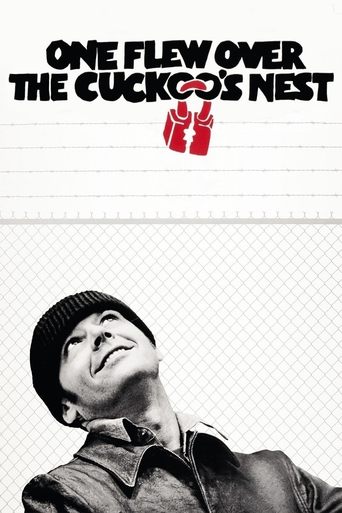
The 1970s were the decade of the new American directors. Francis Ford Coppola made The Godfather, The Godfather Part II and Apocalypse Now, Martin Scorsese made Taxi Driver, and Miloš Forman made One Flew Over the Cuckoo's Nest. Star Wars and Alien closed the decade with two very different visions of space.
The 1960s and 1970s shelf gathers them all.
The 1980s
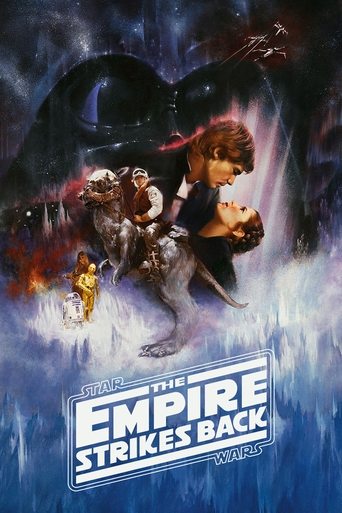
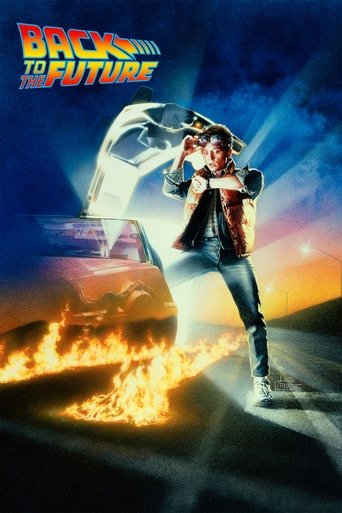
The 1980s mixed blockbusters with some of the most personal films ever made. The Empire Strikes Back, Back to the Future and The Thing became classics of popular cinema, while Amadeus and The Elephant Man brought history and tragedy to the screen.
In Europe, Italy produced Cinema Paradiso, a love letter to the cinema itself, and Germany Das Boot and Wings of Desire. Japan gave the decade Kurosawa's Ran and Studio Ghibli's My Neighbor Totoro and Grave of the Fireflies, released on the same day in 1988.
Hong Kong cinema came into its own with A Better Tomorrow, Police Story and The Killer. The 1980s shelf lists every film.
The 1990s
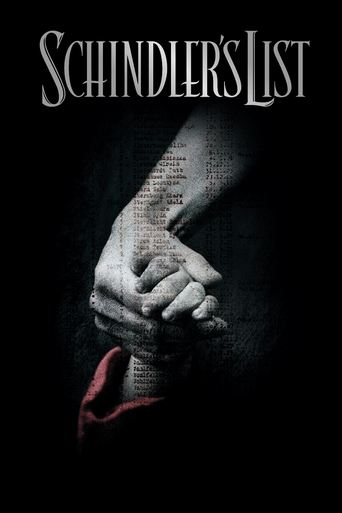
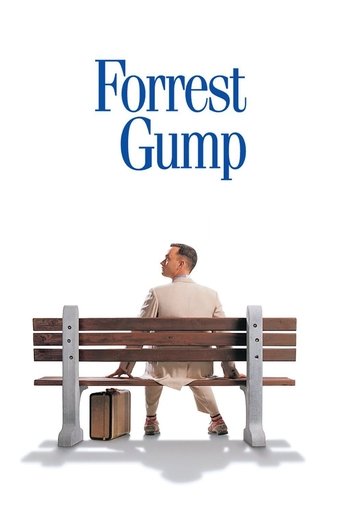
The 1990s are one of the richest decades in the archive. GoodFellas, The Silence of the Lambs, Schindler's List, Pulp Fiction, Forrest Gump and The Shawshank Redemption all arrived within a few years of each other.
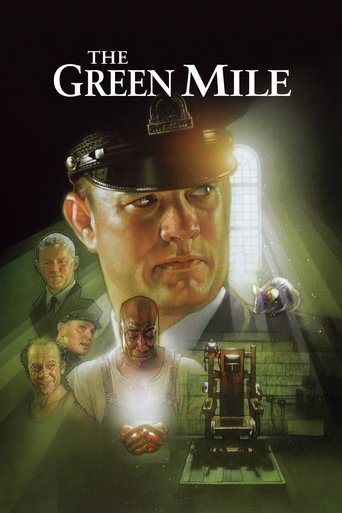
The decade ended with The Matrix, Fight Club and The Green Mile, and it included Se7en, The Usual Suspects, Good Will Hunting and The Truman Show along the way.
Abroad, it was the decade of La Haine in France, Life Is Beautiful in Italy, All About My Mother in Spain, Run Lola Run in Germany, Princess Mononoke in Japan, and Chungking Express and Fallen Angels in Hong Kong. The 1990s shelf holds them all.
The 2000s
The 2000s began with Gladiator and Memento and went on to The Lord of the Rings: The Fellowship of the Ring, The Lord of the Rings: The Two Towers and The Lord of the Rings: The Return of the King, one of the great achievements of popular cinema.
The Pianist, Eternal Sunshine of the Spotless Mind, The Departed, No Country for Old Men, The Prestige and The Dark Knight followed, with WALL·E and Up showing what animation could do.
Abroad, Amélie, Pan's Labyrinth, The Lives of Others, Oldboy, Memories of Murder, In the Mood for Love and Spirited Away made the decade a golden age of world cinema. The 2000s shelf gathers them.
The 2010s
The 2010s gave the archive Inception, Interstellar, Whiplash, The Grand Budapest Hotel, 12 Years a Slave and Three Billboards Outside Ebbing, Missouri, among many others.
World cinema kept pace: Incendies from Quebec, Amour from France, Italy with The Best Offer, Wild Tales from Argentina, The Handmaiden and Parasite from Korea, and Your Name. and A Silent Voice: The Movie from Japan.
The decade closed with Portrait of a Lady on Fire, Jojo Rabbit, 1917 and Parasite's historic Oscar. The 2010s shelf lists them.
The 2020s
The newest shelf collects the films of this decade that audiences already rate highly. The Father is a remarkable study of memory, Soul and Guillermo del Toro's Pinocchio show animation at its most ambitious, and Oppenheimer and Dune: Part Two prove that big films can still be serious ones.
Society of the Snow and All Quiet on the Western Front brought Spanish and German cinema back to worldwide attention, and There's Still Tomorrow became one of the most successful Italian films in years.
New titles join as they arrive, including The Odyssey and Project Hail Mary this year. The 2020s shelf keeps them together.
France
French cinema has one of the longest shelves in the archive's world cinema section. François Truffaut's The 400 Blows opened the French New Wave, and the shelf follows the country's cinema through Three Colors: Blue and Three Colors: Red, La Haine, Amélie and The Intouchables.
More recent French films include Persepolis, an animated memoir, Amour, Incendies from Quebec, Les Misérables and Portrait of a Lady on Fire.
Léon: The Professional and The Fifth Element show Luc Besson's international style, and The Count of Monte Cristo is a recent adventure epic.
Italy
Italian cinema has shaped the whole history of film. Bicycle Thieves and La Strada came out of neorealism, La Dolce Vita, 8½ and Amarcord made Federico Fellini a household name, and Sergio Leone's westerns defined a genre.
Cinema Paradiso, Life Is Beautiful, The Legend of 1900 and The Postman are the modern Italian films audiences love most, and Deep Red is a classic of Italian suspense.
Recent favourites include Perfect Strangers and There's Still Tomorrow. The Italy shelf holds them all.
Spain and Latin America
Spanish-language cinema brings some of the most admired films of the last three decades. Pedro Almodóvar is represented by All About My Mother, Talk to Her, Volver and The Skin I Live In, and Guillermo del Toro by Pan's Labyrinth.
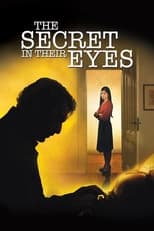
From Latin America come Amores Perros, Y Tu Mamá También, The Secret in Their Eyes, The Motorcycle Diaries, Wild Tales and Roma.
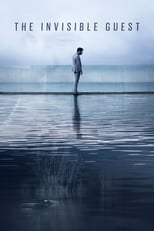
Thrillers are a speciality: Open Your Eyes, The Body, Cell 211, The Invisible Guest and Mirage.
Germany
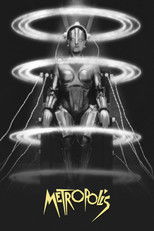
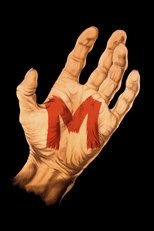
German cinema opened the history of the art form with The Cabinet of Dr. Caligari, Nosferatu, Metropolis and M, and it returned to the world stage with Aguirre, the Wrath of God and Das Boot.
Wim Wenders's Wings of Desire is a poetic portrait of Berlin, Run Lola Run a burst of energy from the 1990s, and Good Bye, Lenin! a warm comedy about the end of East Germany.
Downfall, The Lives of Others, The White Ribbon, Victoria and All Quiet on the Western Front bring the story up to date.
Japan
Japanese cinema has two great traditions in the archive. The first is live action: Akira Kurosawa's Rashomon, Seven Samurai, Yojimbo and Ran are among the most influential films ever made.
The second is animation. Studio Ghibli's My Neighbor Totoro, Grave of the Fireflies, Princess Mononoke, Spirited Away, Howl's Moving Castle and The Tale of The Princess Kaguya are joined by Perfect Blue, Wolf Children, Your Name. and Weathering with You.
Modern anime films such as A Silent Voice: The Movie and I Want to Eat Your Pancreas complete a shelf that suits both first-timers and devoted fans.
Korea
Korean cinema's rise is one of the great stories of recent decades. Park Chan-wook made Sympathy for Mr. Vengeance, Oldboy, Lady Vengeance, The Handmaiden and No Other Choice, and Bong Joon Ho made Memories of Murder, Mother and Parasite.
Kim Ki-duk's Spring, Summer, Fall, Winter... and Spring and 3-Iron are quiet and poetic, while I Saw the Devil, The Chaser and The Man from Nowhere are intense thrillers.
A Taxi Driver tells a true story from 1980, and Train to Busan shows Korean genre cinema at its best. The Korea shelf lists them all.
Hong Kong
Hong Kong cinema is represented by two traditions. The first is action: John Woo's A Better Tomorrow, The Killer and Hard Boiled, Jackie Chan's Police Story, Project A, Drunken Master and The Legend of Drunken Master, and Bruce Lee's The Way of the Dragon.
The second is Wong Kar-wai's romantic, restless films: Days of Being Wild, Chungking Express, Fallen Angels, Happy Together and In the Mood for Love.
Infernal Affairs, Ip Man and Kung Fu Hustle bring the story into the 2000s. The Hong Kong shelf gathers them.
Kubrick and Coppola
A few directors appear again and again in the archive, and following one of them is a rewarding way to explore it. Stanley Kubrick's films cover almost every genre: the Cold War satire of Dr. Strangelove or: How I Learned to Stop Worrying and Love the Bomb, the science fiction of 2001: A Space Odyssey, the dystopia of A Clockwork Orange, the horror of The Shining and the war film Full Metal Jacket.
Francis Ford Coppola's The Godfather and The Godfather Part II are often named the greatest films ever made, and Apocalypse Now is one of the most ambitious war films in history.
Type either name in the search line to see their films together, in the archive's black frames.
Scorsese and Tarantino
Martin Scorsese's films cover fifty years of American cinema, from Taxi Driver and GoodFellas to The Departed, Shutter Island and The Wolf of Wall Street. Each is a portrait of ambition and its costs.
Quentin Tarantino, who learned from Scorsese and from the Hong Kong and Italian films in the archive, is represented by Reservoir Dogs, Pulp Fiction, Kill Bill: Vol. 1, Inglourious Basterds and Django Unchained.
Watching them side by side shows how one generation of filmmakers passes its passions to the next.
Nolan and Fincher
Christopher Nolan and David Fincher are two of the defining directors of recent decades, and the archive holds their most admired work. Nolan's Memento, The Prestige, The Dark Knight, Inception, Interstellar and Oppenheimer play with time and memory.
Fincher's Se7en, Fight Club and Gone Girl are sharp, dark and precise, the kind of films that reward a second viewing.
Both directors care about how their films look, which makes them ideal for the best picture your service offers.
Kurosawa and Miyazaki
Japan gave cinema two masters whose work sits at the heart of the archive. Akira Kurosawa's Rashomon told one story from several points of view and changed how films are made; Seven Samurai invented the team-assembling adventure that countless films have copied; Yojimbo and Ran brought samurai stories and Shakespeare together.
Hayao Miyazaki did something similar for animation with My Neighbor Totoro, Princess Mononoke, Spirited Away and Howl's Moving Castle.
A season of each makes a wonderful introduction to Japanese cinema.
Wong Kar-wai and Park Chan-wook
East Asian cinema has its own masters. Wong Kar-wai's films are about longing and memory, set in Hong Kong's crowded streets: Days of Being Wild, Chungking Express, Fallen Angels, Happy Together and In the Mood for Love.
Park Chan-wook's films are about revenge and desire, told with astonishing craft: Sympathy for Mr. Vengeance, Oldboy, Lady Vengeance, The Handmaiden and No Other Choice.
Both are best seen in their original language with subtitles, as the subtitles guide explains.
Drama
Drama is the largest genre in the archive. It includes some of the most moving films ever made: The Shawshank Redemption, Schindler's List, One Flew Over the Cuckoo's Nest, Good Will Hunting and The Green Mile.
From abroad come Bicycle Thieves, Cinema Paradiso, The Lives of Others, Amour and Incendies, and more recently The Father and Room.
The Drama shelf lists them all, most popular first.
Crime
Crime films are some of the best loved in the archive. The Godfather, GoodFellas, Pulp Fiction, The Usual Suspects and The Departed are American classics; Infernal Affairs, Memories of Murder and The Secret in Their Eyes show how other countries tell crime stories.
Lock, Stock and Two Smoking Barrels brings British wit, and No Country for Old Men a stark modern western.
The Crime shelf gathers them.
War and history
War films hold a special place in the archive. Apocalypse Now and Full Metal Jacket show Vietnam, Saving Private Ryan and The Pianist the Second World War, and 1917 and All Quiet on the Western Front the First.
Das Boot follows a German submarine crew, Grave of the Fireflies two children in wartime Japan, and Downfall the last days of a regime.
The War and history shelf lists every one.
Science fiction
Science fiction in the archive runs from Metropolis and 2001: A Space Odyssey to Alien, The Thing, The Matrix and Interstellar.
Star Wars and The Empire Strikes Back brought space opera to the world, Back to the Future made time travel fun, and Eternal Sunshine of the Spotless Mind turned memory into science fiction.
Recent additions include Dune: Part Two and Project Hail Mary. The Science fiction shelf lists them all.
Animation
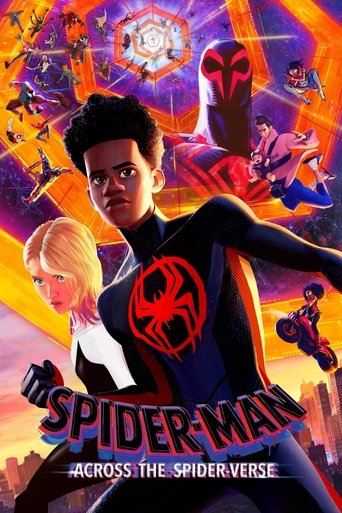
Animation in the archive covers every age. Studio Ghibli leads, joined by Pixar's WALL·E, Up, Inside Out, Coco and Soul, and by Spider-Man: Into the Spider-Verse and Spider-Man: Across the Spider-Verse.
Persepolis is an animated memoir of growing up in Iran, My Life as a Zucchini a small Swiss-French gem, and Guillermo del Toro's Pinocchio a dark and beautiful fairy tale.
The Animation shelf lists every title.
Comedy
Comedy in the archive is often bittersweet. Dr. Strangelove or: How I Learned to Stop Worrying and Love the Bomb is a satire, The Grand Budapest Hotel a caper, Amélie a romantic fairy tale and Good Bye, Lenin! a family comedy with a political twist.
The Intouchables and The Dinner Game show French comedy at its warmest, and Three Men and a Leg and Perfect Strangers show the Italian kind.
The Comedy shelf lists them all.
Restorations and picture quality
Classic films look better today than at any time since their first screenings, thanks to careful restorations from the original negatives. Many of the films in the archive, from 2001: A Space Odyssey and The Godfather to Seven Samurai and Metropolis, now stream in HD, and some in 4K with HDR, with colours and detail richer than anything old television broadcasts and discs could show.
Modern films are made for the same screens: Dune: Part Two, Interstellar and 1917 are the kind of films worth watching on the largest television in the house, at the highest quality your service offers. Streams adjust between 720p and 1080p to match your connection, and premium plans add 4K.
The restorations guide explains aspect ratios and restored versions, and the picture quality guide covers the settings in each app.
The shape of the picture
Many classic films show black bars above and below, or at the sides, when you play them on a modern television. That frame is the original shape of the image, the way the director framed each shot.
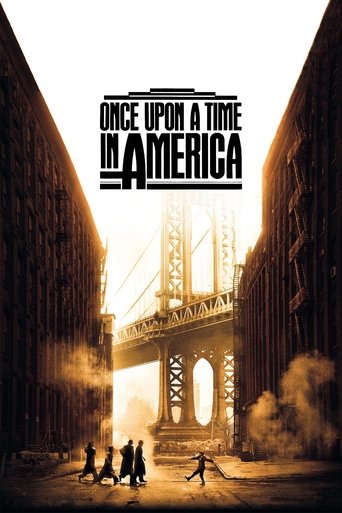
Wide westerns such as Once Upon a Time in the West and sweeping desert epics use a very wide frame; older films such as Bicycle Thieves and M use a nearly square one. Services that respect the original shape show the film as its makers intended.
It is worth leaving the picture as it is rather than stretching or zooming it, so the whole composition stays on screen.
Subtitles and original language
World cinema is at the heart of HDVix, so subtitles matter. Every major service includes subtitle tracks in several languages, translated and timed for its copy of the film; open the speech-bubble or audio menu in the player and pick a language.
Most film lovers watch Rashomon, The 400 Blows, La Dolce Vita or Oldboy in the original language, so the actors' voices remain part of the performance. Animated films such as Spirited Away are often offered with dubbed tracks as well.
Every film page shows the original language before you start. The subtitles guide has more.
Where classics stream
Classic and world cinema is often carried by specialist services. The Criterion Channel in North America, MUBI in many countries and BFI Player in the United Kingdom specialise in it, and Kanopy and Hoopla, available free with many library cards, have deep catalogues too.
The big services, Netflix, Prime Video, Max and Apple TV, carry many modern films in the archive and rent or sell many classics, and Google TV does the same.
Watch now lists every option for a film in your country on one page. The guide to services compares them.
Free and legal
Watching classics free and legally is often possible. Kanopy and Hoopla give many library members free access, and Tubi, Pluto TV and YouTube's free movies carry older films with adverts.
Some of the oldest films in the archive, such as Nosferatu and A Trip to the Moon, are in the public domain and widely available in restored versions.
Watch now marks the free options for your country. The free and legal guide gathers more.
On a phone
On a phone, HDVix keeps its programme look in a narrow column. The menu folds into a black Menu button, the search line moves under the logo, and the weekly programme stacks its still, its details and its Also this week list one above the other.
Posters line up two to a row, the world cinema tiles two to a row, and the Top 100 becomes a single column.
For one-tap access, add HDVix to your home screen from the browser menu. Films play in each service's official app; the apps and devices guide explains more.
On the television
Restored classics and modern spectacles deserve a large screen. The simplest route is to choose a film on your phone and open it in the same service's app on your television, or send it there with Chromecast or AirPlay.
HDVix also opens in a television's web browser, where the serif titles and cream pages are easy to read from the sofa.
For silent films and black-and-white classics, turning off motion smoothing in the television's settings keeps the picture closest to how it was shot.
Building a programme with My List
My List is a way to build your own film programme. Press Add to My List on any film page, and the film joins the My List page in its black frame.
Use it to plan a season: a week of Kurosawa, a month of the 1970s, a tour of the seven national cinemas, or the whole Top 100 one film at a time.
The list lives in your browser and works right away. Export My List saves a small file; Import a saved copy merges it on another device. The My List guide has ideas.
The official HDVix
HDVix has one fixed address, shown in your browser, and its own design, writing and film pages. Bookmark it or add it to your home screen, and it opens with your country and My List in place.
Every Watch now button leads to JustWatch and official services, and look-alike pages are easy to spot by their pop-ups and app prompts.
The official site and site status guides explain what to check.
Staying safe
HDVix shows posters, credits and links to JustWatch and official services, and every button goes exactly where its label says.
Official services protect your device and support the archives and studios that restore classic films; every rental and subscription helps keep old films in circulation.
Elsewhere, leave pages that open windows on their own or ask for card details. The safety guide has a short checklist.
How the archive is chosen
The HDVix archive is built from the films audiences rate most highly. For each decade from the 1960s to today, and for each of seven national cinemas, the films with the strongest TMDB audience scores and enough votes to trust them are chosen first.
New films join the 2020s shelf as their scores settle, so the archive grows with cinema itself.
HDVix is an archive for a general audience. Films sold on explicit sexual content are left out, so every shelf is comfortable to browse with anyone nearby.
Where the information comes from
Posters, stills, titles, stories, genres, runtimes, casts, directors and audience scores come from TMDB, the community film database used around the world.
Where to watch comes from JustWatch, updated daily for every country. The help pages and this guide are written for HDVix.
The archive is refreshed regularly, so new films arrive and scores settle as votes come in.
New films in the archive
The archive grows every season. The 2020s shelf gathers the newest films that audiences have taken to heart, from Dune: Part Two and Oppenheimer to Past Lives, Anatomy of a Fall and Perfect Days, and it gains new titles as their scores settle.
New releases usually arrive on streaming services a few weeks or months after their cinema run, first to rent or buy and then on subscription. Watch now shows each stage for your country as it happens.
The latest releases guide explains how new films move from cinema to streaming, and how to follow them on HDVix.
Where to start
If you are new to classic cinema, start with films that feel as fresh as anything made today. The Godfather, 12 Angry Men, Psycho and Casablanca are gripping from the first minute, and each opens a door to its decade.
From there, follow a thread that interests you: a director, an actor or a country. Enjoyed Seven Samurai? Try Yojimbo and Ikiru. Loved Amélie? Try The 400 Blows and Breathless.
The how to watch guide and the finding films guide make each next step easy.
A season of suspense
A season of suspense is one of the most rewarding ways to use the archive. Begin with Hitchcock: Rear Window, Vertigo, North by Northwest and Psycho show a master at work across a single decade.
Continue with the modern heirs of that craft: Se7en, Zodiac, Memories of Murder and Prisoners carry the same patience and dread into new settings.
Finish with Parasite, which begins as a comedy and ends as a thriller, a fitting close to any season on the art of tension.
A season of animation
Animation holds some of the highest-rated films in the archive. Studio Ghibli leads the way with Spirited Away, My Neighbor Totoro, Princess Mononoke and Howl's Moving Castle, each hand-drawn with astonishing care.
Pixar's best, such as WALL·E, Up and Coco, sit beside them, and Spider-Man: Across the Spider-Verse shows how far the form has travelled.
Animation seasons suit the whole household, and many of these films are offered with both original and dubbed audio.
A season of epics
Epic films were made for the largest screen in the house. Ben-Hur and The Good, the Bad and the Ugly set the scale; The Lord of the Rings: The Return of the King and Gladiator carried it into a new century.
Science fiction offers its own epics: 2001: A Space Odyssey, Blade Runner, Interstellar and Dune: Part Two are journeys best taken with the lights down and the volume up.
Plan an epic season with My List and allow an evening for each, since many run close to three hours.
A season of romance
Romance has its own classics in the archive. Casablanca and Roman Holiday define the golden age; Before Sunrise and In the Mood for Love show how quietly powerful a love story can be.
World cinema adds warmth and wit: Amélie from France, Cinema Paradiso from Italy and Your Name. from Japan are favourites with audiences everywhere.
A romance season works well for two, with each person choosing alternate films from the archive.
Great first films
Some of the finest films in the archive are debuts. Citizen Kane, The 400 Blows, Reservoir Dogs and Get Out were each made by a director at the very start of a career.
Watching a director's first film beside a later one is a rewarding way to see a style take shape: pair Reservoir Dogs with Pulp Fiction, or Nolan's early Memento and Inception.
The film page lists each director, so following a career from its first film takes a single tap.
For film students and clubs
HDVix works well as a starting point for film clubs and courses. The decades index gives a ready-made history of cinema, the world cinema tiles a tour of national traditions, and the Top 100 a shared canon to discuss.
Each film page gathers the facts a discussion needs: year, runtime, director, principal cast and story, with a link to the services where the group can watch.
Many universities and libraries offer Kanopy, which carries a large share of the classic and world cinema in the archive, free with a library card.
Reading the scores
Every card and film page shows a TMDB audience score out of ten. Scores above eight mark the films audiences love most; the Top 100 is made almost entirely of them.
The vote count matters as much as the score. A film rated by tens of thousands of viewers, such as The Shawshank Redemption, has a very settled score; a newer film's score may move as more people watch.
Scores are a helpful guide rather than a final word, and some of the most rewarding discoveries in the archive sit just below the top.
Watching from different countries
Streaming rights differ by country, so the same film may be on one service in the United States and another in France or Japan. HDVix asks for your viewing country once and uses it on every Watch now button.
Travellers can change the country at any time from the Watch now menu, and the film's options update right away.
The guide to services lists the main film services in each region.
Sound and music
Great films are as much heard as seen. The scores of Ennio Morricone for Once Upon a Time in the West and Cinema Paradiso, Joe Hisaishi for Spirited Away and Hans Zimmer for Interstellar are part of what makes each film unforgettable.
Most services offer 5.1 surround sound, and many recent films include Dolby Atmos. A soundbar or a good pair of headphones brings out the detail that sound designers build into every scene.
For older films, the restored mono or stereo track is often the most faithful choice, and services usually offer it as the default.
The joy of rewatching
Many of the films in the archive reward a second or third viewing. Pulp Fiction, Memento and Inception reveal new patterns once you know where they lead; The Godfather deepens with every return.
My List makes rewatching easy: keep a small shelf of favourites alongside the films you are yet to discover.
A rewatch also makes a fine introduction for a friend, since you can share the film's best moments as they arrive.
Family evenings
The archive holds plenty for family evenings. Animation from Ghibli and Pixar suits every age, and adventures such as Back to the Future and Raiders of the Lost Ark have delighted families for decades.
Every film page shows the runtime and genre, so it is easy to pick something that fits the evening and the audience.
Services add their own age ratings and parental controls, which you can set in each app's profile settings.
Following an actor
Following an actor through the archive is another rewarding thread. Al Pacino runs from The Godfather to Heat; Toshiro Mifune from Seven Samurai to Yojimbo; Song Kang-ho from Memories of Murder to Parasite.
Each film page lists the principal cast, and every name leads to the actor's other films in the archive, so one great performance can open a whole season.
Actor seasons are a lovely way to see how a performer grows, from early roles to the parts that made them famous around the world.
A home for film lovers
HDVix exists to celebrate the films that audiences around the world rate most highly, and to make each one easy to find and watch legally.
Every decade, every film nation and every genre on the site is a doorway into a century of great filmmaking, open whenever you have an evening free.
Bookmark the archive, build your list, and enjoy the programme this week and every week.
Questions
What is HDVix?
HDVix is a film archive in HD: the best-rated films of every decade, world cinema from seven film nations and new favourites, each with a Watch now button for the services in your country.
How do I watch a film from HDVix?
Open the film page, press Watch now, choose your viewing country and pick a service on JustWatch. The film plays in that service's app or site.
Which countries are in the world cinema section?
France, Italy, Spain and Latin America, Germany, Japan, Korea and Hong Kong, each with its own shelf.
How is the Top 100 decided?
By TMDB audience score, counting only films with at least five hundred votes, so classics and new films compete on equal terms.
Are classic films available in HD?
Many classics have been restored and stream in HD, some in 4K, on the services Watch now lists.
Where do subtitles come from?
The services you open include their own subtitles in several languages. Turn them on in the player.
Can I watch classics free and legally?
Yes. Library services such as Kanopy and Hoopla, free services with adverts, and public-domain films offer many classics.
Is there an HDVix app?
HDVix works in any browser and can be added to your home screen. Films play in each service's official app.
What is the official HDVix site?
HDVix has one fixed address shown in your browser. Bookmark it to return with your list and country saved.
How do I build my own programme?
Add films to My List from their pages. My List stays in your browser and can be exported to another device.